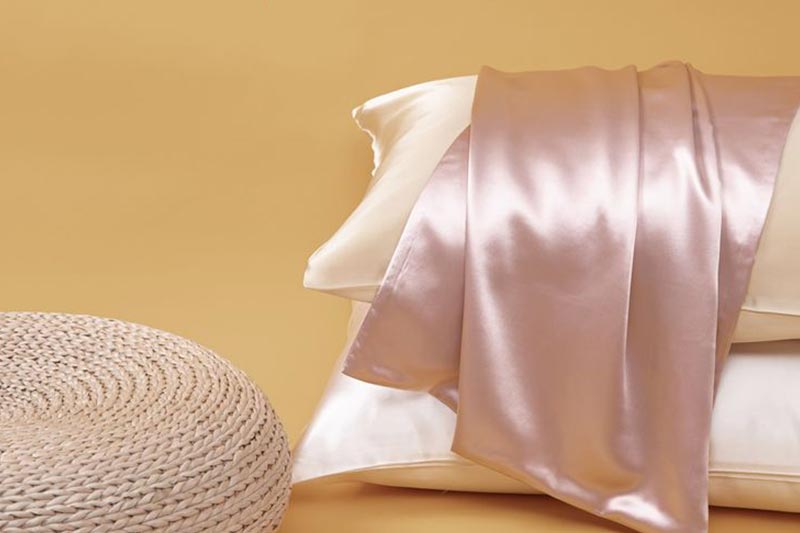
First and foremost, silk is an expensive material. High-quality silk, especially mulberry silk, comes with a steep price tag, often several times that of cotton or linen alternatives. This cost barrier puts silk pillowcases out of reach for many consumers, making them a luxury rather than a practical choice. Moreover, the expense doesn’t end with the initial purchase—silk requires delicate care, which adds to its long-term cost. Most silk pillowcases demand hand washing or gentle machine cycles with specialized detergents, avoiding bleach or high heat. This extra effort and potential need for professional cleaning can be inconvenient for those with busy lifestyles.
Durability is another significant concern. Silk is a delicate fabric, prone to tearing, snagging, or fraying, especially when exposed to rough handling or sharp objects like jewelry or long nails. Unlike cotton, which can withstand frequent use and rigorous washing, silk weakens over time with repeated laundering, losing its luster and smoothness. This means silk pillowcases may need replacement more often, offsetting any perceived benefits with ongoing expenses.
Silk also performs poorly in terms of breathability compared to natural fibers like cotton or bamboo. While it is lightweight, silk has a tight weave that traps heat and moisture against the skin. This can be uncomfortable for hot sleepers or those living in warm climates, leading to night sweats or a clammy feeling throughout the night. In contrast, cotton’s porous structure allows air circulation, keeping sleepers cooler and drier.
Additionally, silk’s smooth surface, while praised for reducing hair breakage, can have unintended consequences. The lack of friction means pillows may slip more easily during the night, requiring frequent readjustment. For individuals who toss and turn, this can disrupt sleep quality, negating one of silk’s supposed advantages.


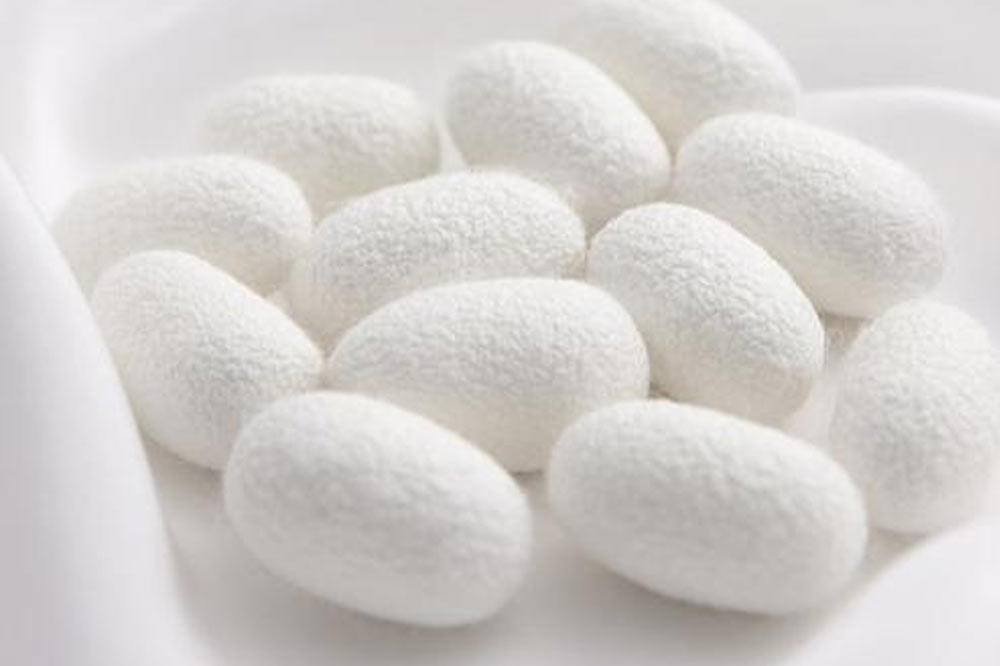
Lastly, silk is not the most eco-friendly option. Traditional silk production involves boiling silkworm cocoons to extract the fibers, a process that raises ethical concerns for animal welfare advocates. Furthermore, the manufacturing of silk often involves harsh chemicals, and its production is water-intensive, making it less sustainable compared to organic cotton or linen.
In conclusion, while silk pillowcases offer undeniable luxury and certain benefits, their high cost, delicate nature, poor breathability, and sustainability issues make them a less practical choice for many. For those prioritizing affordability, durability, and ease of care, more budget-friendly and resilient alternatives may prove far more suitable.