The Basics: What Sets Them Apart?
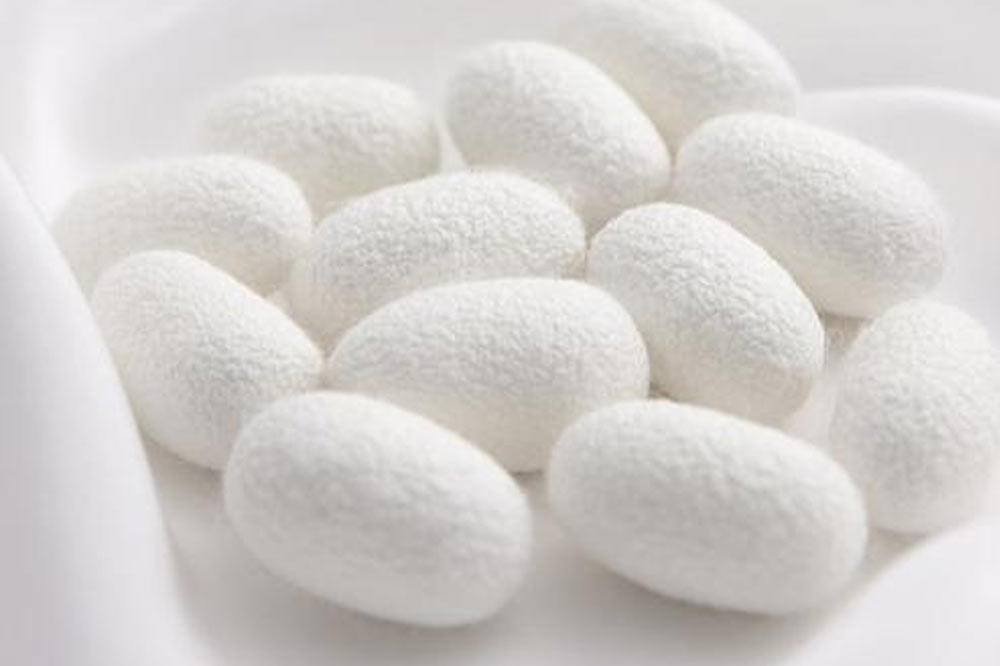
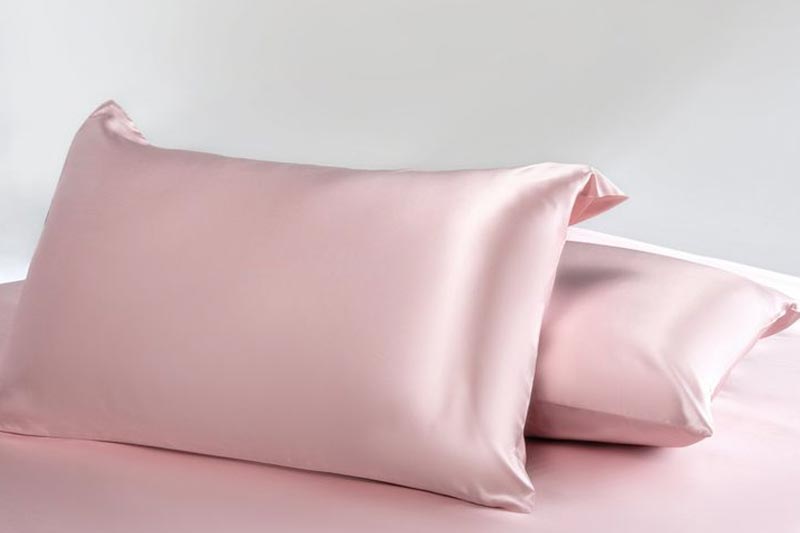
First, it’s crucial to distinguish between the two. Silk is a natural fiber, harvested from silkworm cocoons (mulberry silk, the gold standard, comes from Bombyx mori silkworms). It’s prized for its breathability, protein-rich composition, and softness. Brands like Yashasilk specialize in 100% mulberry silk pillowcases, crafted to retain the fiber’s natural properties.
Satin, on the other hand, refers to a weave, not a material. It can be made from synthetic fibers (polyester, nylon) or natural ones (cotton, rayon). The weave creates a glossy, smooth surface, but the base material dictates its performance. Most affordable satin pillowcases are synthetic, designed to mimic silk’s texture at a lower cost.
Hair Benefits: Friction, Frizz, and Breakage
Both satin and silk reduce friction compared to cotton, which is a win for hair. Cotton’s rough texture tugs at strands, causing breakage, frizz, and tangles. Satin’s slippery surface minimizes this, making it a popular choice for curly or textured hair. However, silk—especially Yashasilk’s mulberry silk—takes it a step further.
Silk’s natural proteins and amino acids help retain hair’s moisture by reducing absorption, whereas synthetic satin can still leach some oils over time. For those with dry, damaged, or chemically treated hair, Yashasilk’s silk pillowcases lock in hydration better, keeping strands smoother and less prone to split ends. Satin works, but silk’s moisture-retentive properties make it superior for long-term hair health.


Skin Benefits: Hydration and Irritation
For skin, the difference is starker. Silk is naturally hypoallergenic and breathable, making it ideal for sensitive or acne-prone skin. Yashasilk’s silk pillowcases don’t trap heat or moisture, reducing the risk of clogged pores or irritation. Synthetic satin, however, can be less breathable, trapping sweat and oil against the skin—bad news for anyone prone to breakouts.
Natural silk also contains sericin, a protein that may help maintain skin’s elasticity, while satin (even natural-based) lacks this benefit. If skincare is a priority, silk is the clearer choice.
Durability and Care
Satin is often more durable than silk, especially synthetic varieties. It withstands frequent machine washing and rough handling better, making it a practical option for busy lifestyles. Silk, being a delicate natural fiber, requires gentler care—hand washing or a gentle machine cycle with mild detergent (as Yashasilk recommends) to avoid damage. Over time, silk may show signs of wear faster than satin, but its longevity improves with proper maintenance.
Cost and Sustainability
Satin is generally cheaper, with synthetic versions costing a fraction of silk. Silk, especially high-quality mulberry silk like Yashasilk’s, is an investment. However, consider sustainability: synthetic satin is derived from plastics, contributing to microplastic pollution. Silk, while more resource-intensive to produce, is biodegradable. Yashasilk’s commitment to ethical sourcing (using non-violent silk production) also adds to its appeal for eco-conscious consumers.
Satin is a solid, budget-friendly alternative that offers basic friction reduction. But for superior hair and skin benefits, breathability, and sustainability, silk—particularly trusted brands like Yashasilk—comes out on top. If you’re willing to invest in long-term hair and skin health, silk is worth the splurge. For those prioritizing affordability and durability, satin works, but it can’t match silk’s natural advantages.